The core distinction
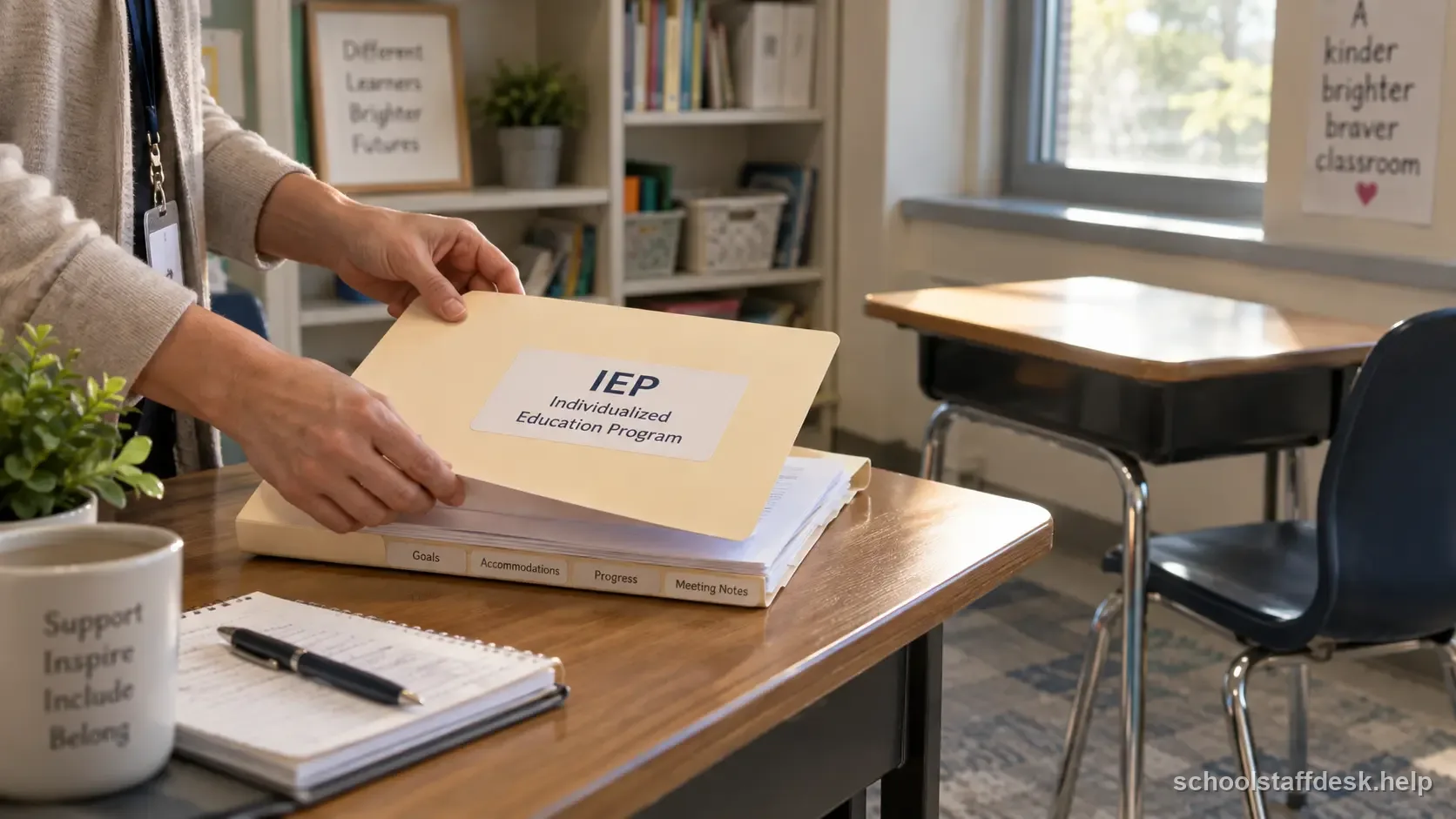
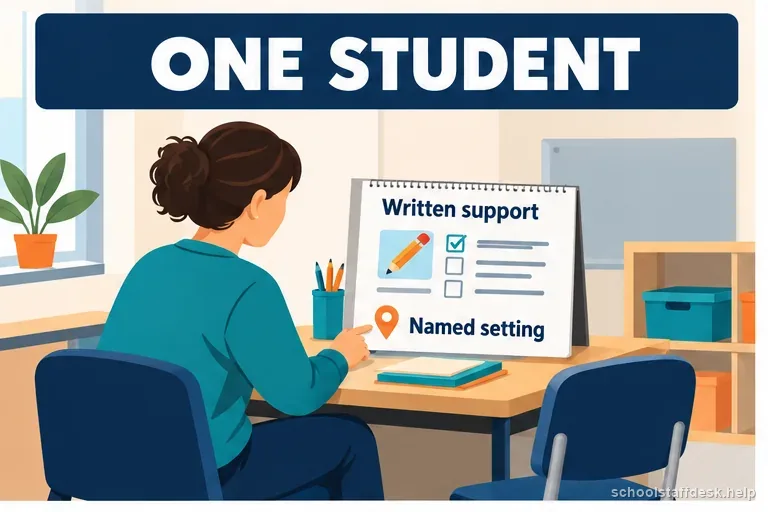
IDEA does not create a nationwide job title called “1:1 aide.” It requires an IEP to identify the special education, related services, supplementary aids and services, program modifications, and supports for school personnel a student needs. If the IEP team determines individualized adult assistance is needed, the plan or local service documentation should describe the support and its scope under state and district procedures. Section 504 teams may also determine that individualized aids or services are needed; there is no automatic aide entitlement based solely on a diagnosis.
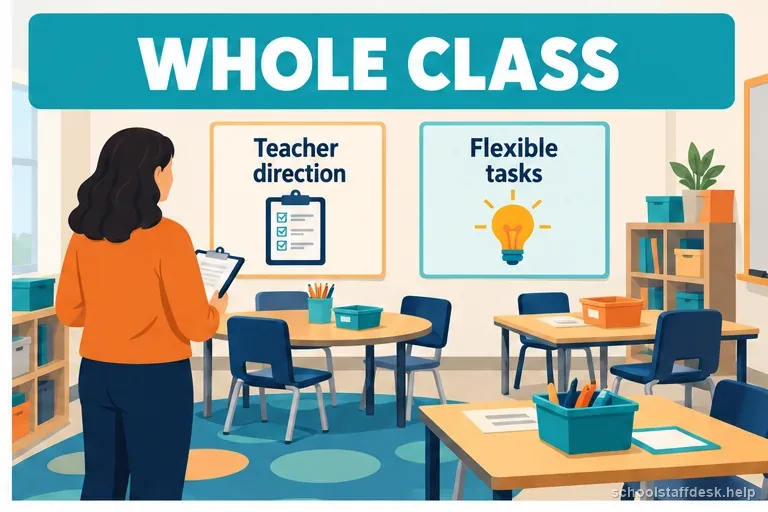
A classroom paraprofessional may support the teacher, one student, a small group, or multiple students, depending on the job and any student-specific service responsibilities. A role label alone does not tell you whether the para can be reassigned, what tasks are allowed, or which students they support. The written job description and the school’s assignment instructions matter.
Why the legal basis matters for how the role is defined
IDEA defines supplementary aids and services broadly as supports provided in regular classes and other education-related settings to enable education with nondisabled peers to the maximum extent appropriate. A dedicated paraprofessional can be one possible support, but the IDEA regulations do not require a particular staffing title for every student or set one national test for 1:1 support.
The IEP team makes an individualized decision based on the student’s needs and the supports available in the setting. New York’s state guidance, for example, tells its committees to weigh both the student’s individual needs and the available supports; that is useful context, but its detailed guidance applies in New York. Follow the rules and team process in your own state.
What differs day to day between the two roles
A 1:1 aide’s schedule may cover only specified classes, routines, or portions of the day; do not assume the role means constant proximity or that it automatically extends to transportation, lunch, or extracurricular activities. Ask for the schedule, the support tasks, the supervising professional, and what to do when the assigned student is absent or the plan does not address a situation.
A classroom para may work under a teacher or another designated supervisor, and assignment practices vary by district. IDEA requires the school to ensure that teachers and other service providers responsible for implementing an IEP know their specific responsibilities and the accommodations, modifications, and supports they must provide. The law does not prescribe a universal reporting chain for paraprofessionals.
What this means if you're new to either role
Before the first assignment, ask who supervises you, what tasks you are expected and trained to perform, how to receive plan-related instructions securely, and how to report observations. Staff responsible for IEP implementation must be informed of their specific responsibilities; access to student records still follows the school’s FERPA policy and legitimate-educational-interest rules. Do not request or copy a full file when the school can provide the instructions you need.
Ask the supervising teacher to clarify lesson support, prompting, behavior procedures, personal-care boundaries, emergency response, and how to ask for help. Follow the written plan and district directions; do not independently change services, make eligibility decisions, provide specialized instruction outside your role, or promise confidentiality beyond school policy.
Compare the assignment details, not just the job title
| Ask about | Possible 1:1 assignment | Possible classroom assignment |
|---|---|---|
| Written basis and scope | May implement individualized supports documented in a student plan | May support a teacher, group, individual students, or whole class |
| Daily schedule | Ask which periods, settings, transitions, and duties are included | Ask which rooms, groups, and duties are included |
| Supervisor and escalation path | Confirm the designated teacher/provider and backup contact | Confirm the designated teacher/provider and backup contact |
| Student-record access | Secure instructions and records only as permitted by district policy and role | Secure instructions and records only as permitted by district policy and role |
Two examples show how the assignment can differ
Illustrative schedule only: a job posting says an aide supports one student during periods 2, 3, and 4. That is three of six periods in this example, not a national schedule rule. Before accepting, ask who coordinates the other periods, transitions, lunch, and coverage when the assigned adult or student is absent. The school team must clarify any student-specific services that apply outside the listed blocks.
Illustrative classroom routine: a teacher divides 24 learners into four groups of six for a 12-minute rotation. A classroom para might support one station under the teacher’s directions while the teacher leads another. Those counts describe one planning example, not a required ratio or a promise that the para can be reassigned from a student-specific duty. The written assignment and student plan still govern.
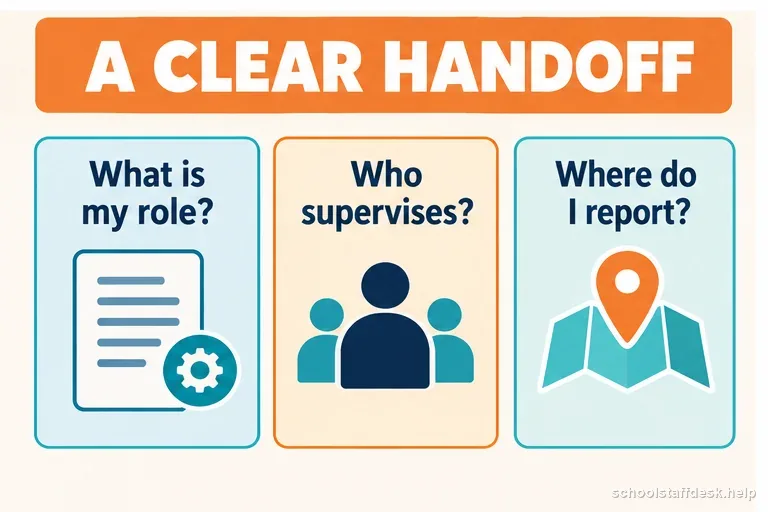
- What student-specific duties are part of this assignment?
- Who gives direction during the school day?
- How should changing needs be reported?
- What should happen during transitions or when the student is absent?
What happens when a student's need for a 1:1 aide changes
Student services can change when the IEP or Section 504 team reviews new information and follows the required process. A paraprofessional should not decide independently to fade, add, or stop support. If the assigned adult support no longer seems to match the student’s current needs or the written plan, document observations through the district’s approved process and raise them with the supervisor or case manager.
The team may consider whether supports are being implemented as written, whether the student is making progress, and whether changes are needed. A transition plan may be appropriate in some cases, but there is no universal requirement to reduce support gradually or to follow a fixed sequence. Staff should follow the current plan until the responsible team and school provide updated instructions.
Plan for the day the assigned aide is absent. Ask the case manager or administrator who coordinates coverage, which supports must continue, and what approved contingency applies; a coworker should not invent a substitute service plan in the hallway. If the student is supported across lunch, transport, or specials, identify who receives the handoff and what information they actually need. Keep notes factual and within district privacy rules. A staffing gap is a school-team problem to escalate, not a reason for the aide to change the student's IEP, disclose diagnoses to other families, or take over the teacher's instructional decisions.
| Assignment detail | Illustrative 1:1 assignment | Illustrative classroom support |
|---|---|---|
| Example scope | Periods 2–4 of a six-period day; confirm gaps. | One station during four groups of six. |
| Who sets direction | Named supervisor and current student plan. | Teacher’s lesson directions and job duties. |
| What to confirm | Coverage, transitions, absences, and settings. | Station task, group handoff, and next contact. |
What to ask before accepting a 1:1 aide assignment
Before accepting, ask for the job description, the scheduled settings and hours, who assigns daily tasks, who supervises you, whether you are responsible for implementing any IEP or Section 504 support, what information you will receive, and how student records may be accessed or stored. Request secure access to the specific implementation instructions you need under district policy—not informal copies sent through personal email or messaging.
Ask what training is provided for the actual assignment, including communication systems, behavior or health procedures, lifting or personal care if relevant, emergency response, documentation, and substitute coverage. Confirm what to do when you are absent, the student is absent, or the assigned teacher is unavailable. These answers describe the real job more reliably than a title alone.
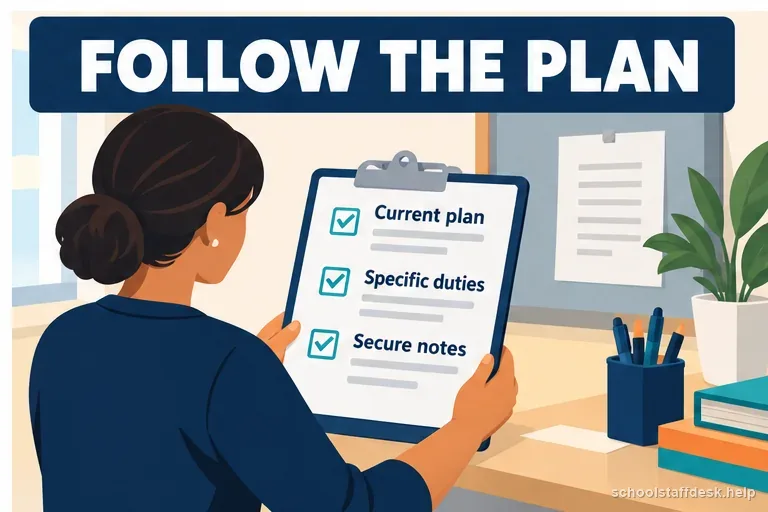
- Get the job description and written schedule.
- Name the supervising teacher and backup contact.
- Confirm plan-related duties and secure access.
- Ask about training, absences, and coverage.
- Use the approved route to report a mismatch.
| Situation | First question | Safe next step |
|---|---|---|
| Assigned student is absent | Who decides the coverage plan? | Contact the named supervisor before taking another duty. |
| Task is unfamiliar | What training or authorization applies? | Pause and request the approved procedure. |
| Plan and direction conflict | Who resolves the mismatch? | Escalate to the case manager or administrator. |
| Record access is unclear | What information does this role need? | Use the district-approved secure system only. |
Common role mistakes to catch before day one
Do not assume that “1:1” means every minute of the day, every setting, or automatic responsibility for transportation and lunch. Do not assume that “classroom para” means you may be moved to any student or task without guidance. Ask for the schedule, the written responsibilities, the named supervisor, and the approved plan for gaps or absences.
A para should not independently change an IEP service, make a placement decision, or promise secrecy about student records. If the written plan, a supervisor’s direction, and the assignment appear to conflict, pause and use the district’s escalation path. Ask for training before a task involving specialized equipment, personal care, health procedures, or emergency response. Record observations only in the approved system and share them only with staff who need them for their role.

Sources used for this guide
- New York State Education Department — Guidelines for Determining Need for a One-to-One Aide
- IDEA § 300.42 — Supplementary Aids and Services
- IDEA § 300.323(d) — Access to IEP and Specific Responsibilities
- U.S. Department of Education — Legitimate Educational Interest and Record Access
Rules can change. Use these sources as a starting point and confirm any state, district, student-plan, employment, licensing, or retirement requirement with the agency or team that governs your situation.
Questions school staff ask about this situation
Does IDEA use the term '1:1 aide' officially?
No. “1:1 aide” is a common job label. IDEA describes supports such as supplementary aids and services and requires the IEP to identify the services and supports the student needs.
Who decides if a student gets a 1:1 aide?
For IDEA services, the IEP team makes an individualized determination of needed services and supports. The law does not guarantee a 1:1 aide based on a diagnosis alone; state guidance and local procedures can add detail.
Can a classroom paraprofessional be reassigned to a different classroom?
Assignment practices vary. Check your job description, district policy, and any student-specific service responsibilities before assuming a role can be reassigned or its tasks changed.
Who should a 1:1 aide go to with questions about a student's support plan?
Ask the district to identify your designated supervisor and backup contact. For IEP implementation, responsible providers must be informed of their specific duties and the supports they must provide.